Invisible cooking: the V-ZUG CookTop V6000 Integra
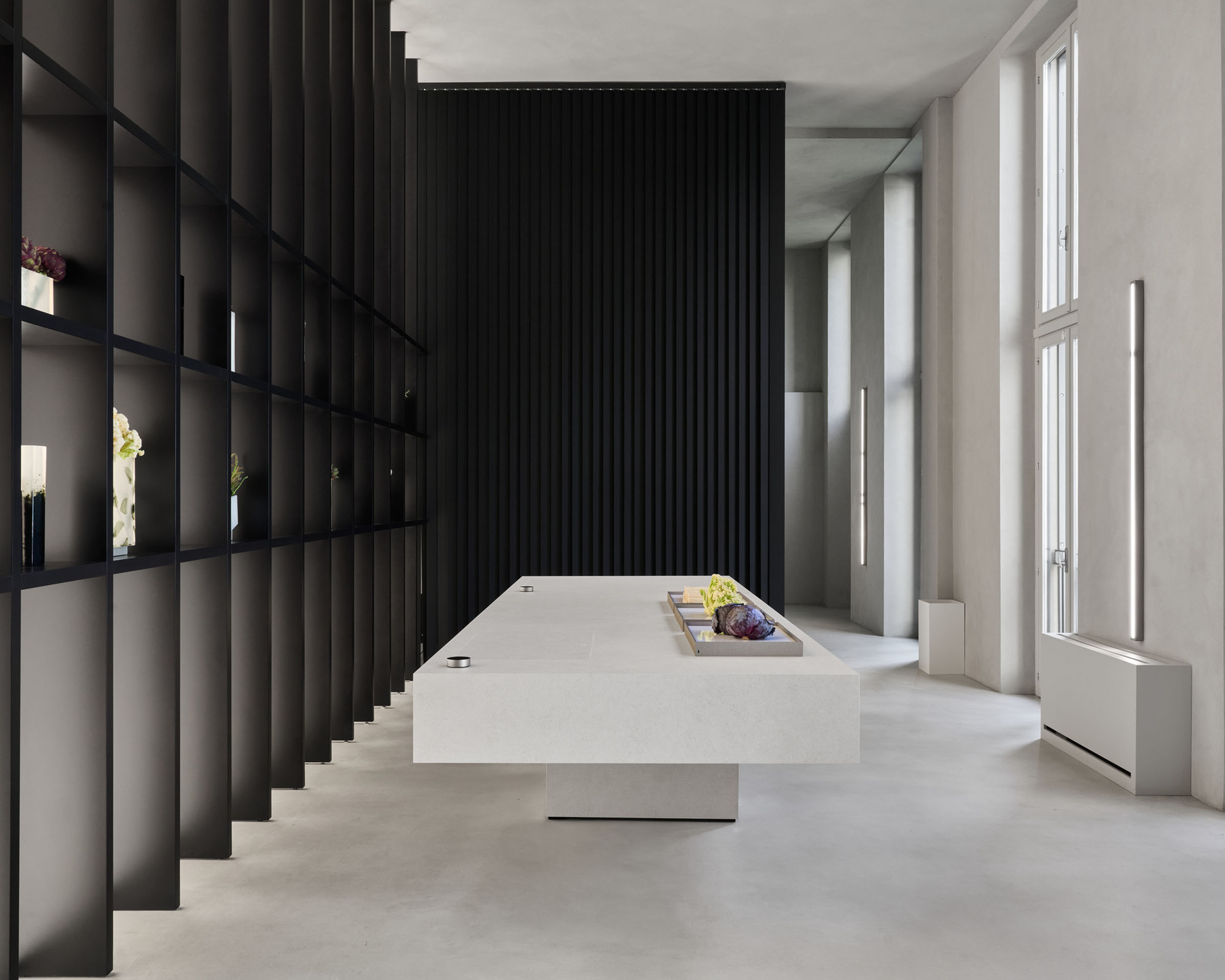
In demanding architectural schemes the living space and the kitchen have been growing together for years. One element kept interrupting the calm of the room, however: the black glass ceramic of the hob, with its joints, its frame and its visible controls.
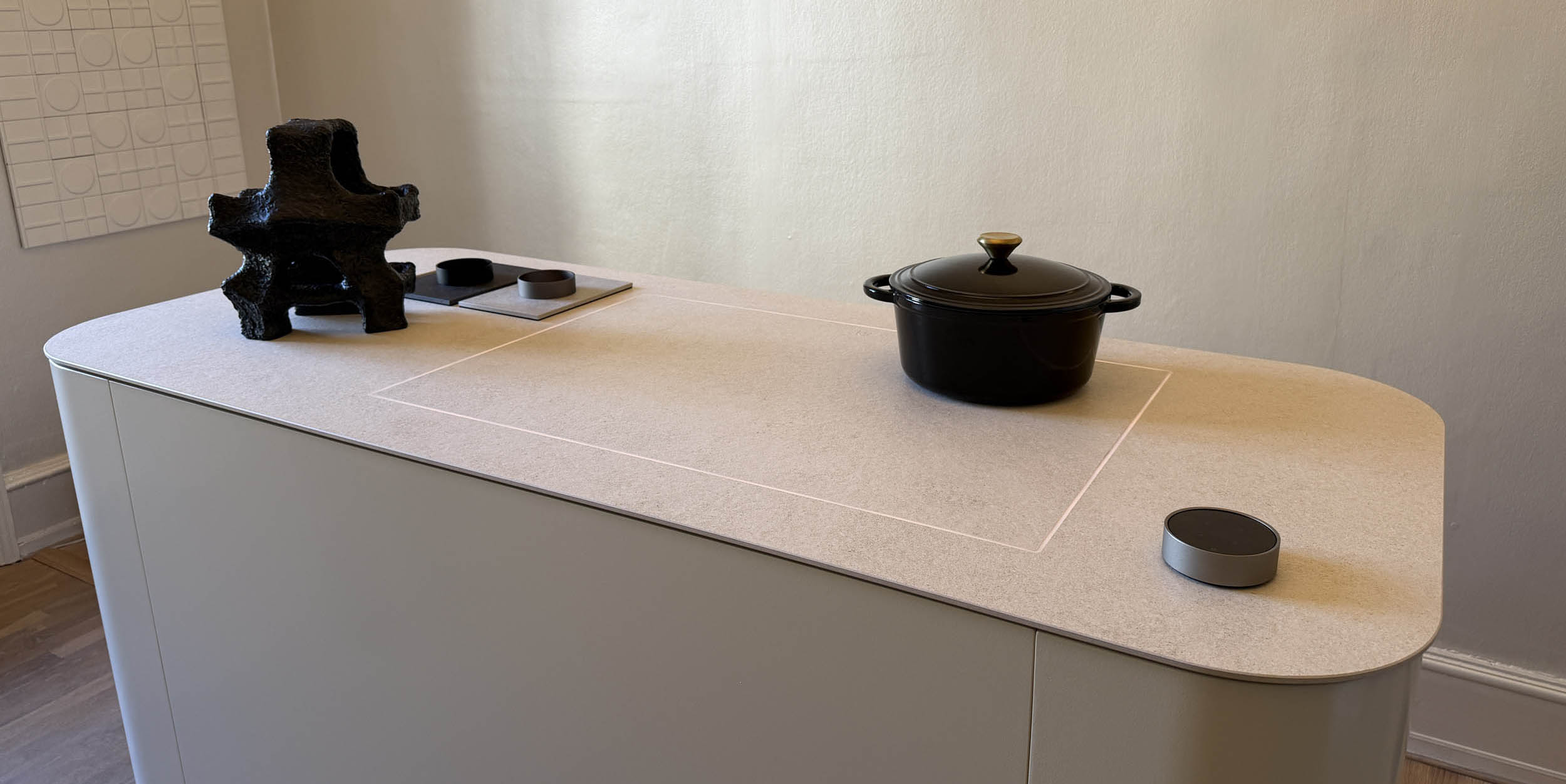
With the V-ZUG CookTop V6000 Integra the induction technology disappears entirely beneath the worktop. What remains is a continuous, quiet surface that stands in the room as an object in its own right and turns into a precise instrument only at the moment of cooking.
Material: Inalco MDi meets Swiss precision
Genuine invisible cooking calls for an unusual material. The CookTop V6000 Integra is built on a collaboration between V-ZUG and the Spanish surface manufacturer Inalco.
MDi, the material that carries it
MDi stands for minerals, design and innovation. A specialised sintering process produces a surface of exceptional density with no open pores. It is developed to withstand the heat of induction cookware permanently, without any change in colour or structure.
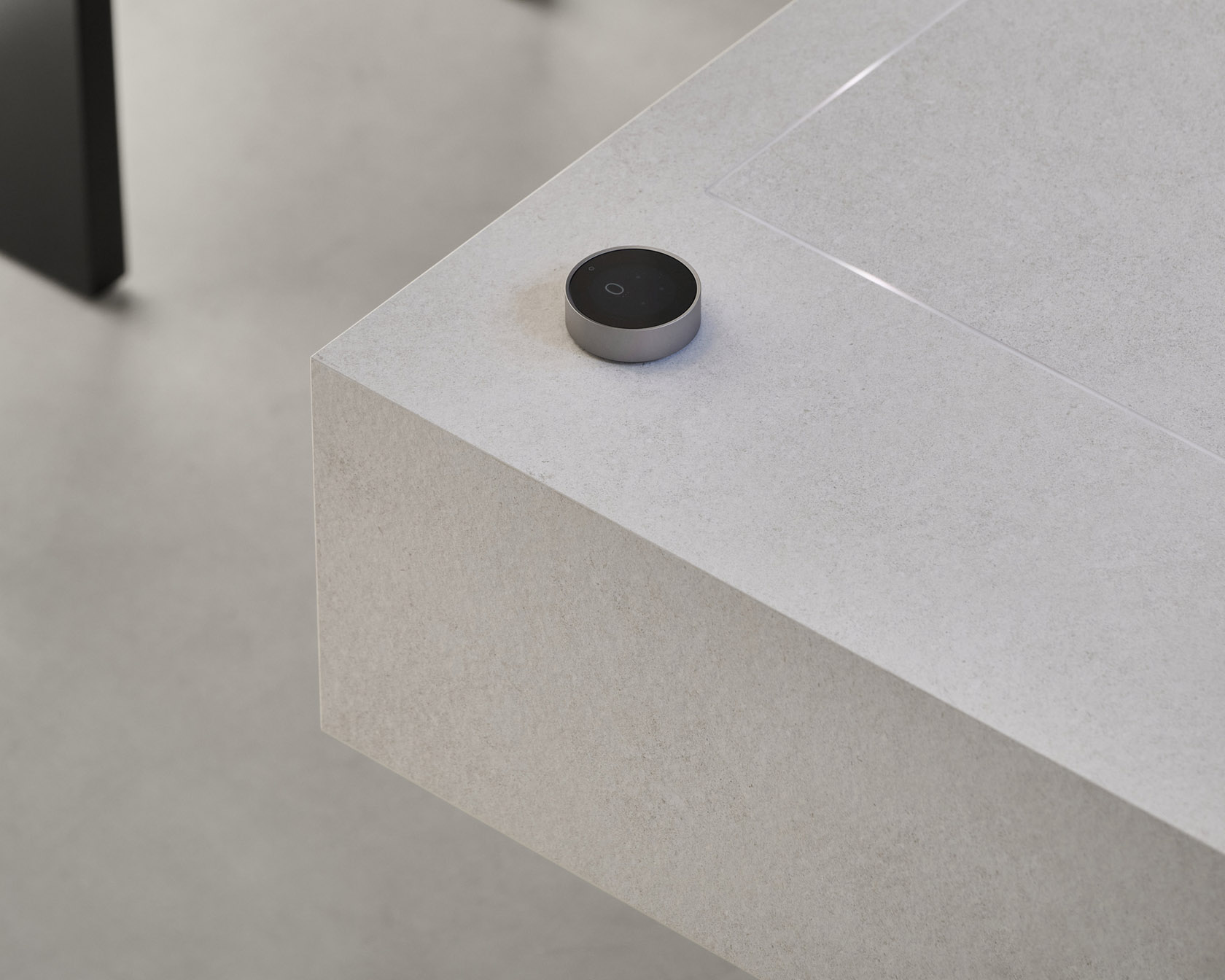
Large-format slabs make islands possible that read as though they were cut from a single block, with no change of material and no silicone joints. In the hand, MDi combines the matt texture of fine natural stone with an everyday robustness that stone does not always have.
Technology that steps back
At rest the cooking surface is completely invisible. Only on activation do discreet points of light or minimal projections mark the cooking zones. The hob is operated either through touch fields integrated into the surface, through rotary controls on the front panel, or over the network.
Once the pan is removed and the residual heat has gone, the surface becomes a worktop again, usable for preparation, for serving or for nothing at all. In an open-plan room that is worth more than it sounds.
Why invisible cooking has to be planned, not simply bought
Invisible induction only does what it promises when it is embedded in the material scheme of the whole room. Bought as an isolated appliance, it solves one problem and creates two.
The first is extraction. A hob that cannot be seen calls for extraction that cannot be heard and barely seen either, which in practice means a ceiling unit set into the structure or a lifting hood whose cover is made from the same surface material and installed absolutely flush. That decision belongs in the design, because it affects the ceiling, the duct route and the room.
The second is the pairing of materials. We match the shade of the MDi surface to the bespoke scheme from eggersmann, and usually not by matching it at all. A mineral, jointless cooking surface set against real wood veneer, metal or a velvet matt front does more for a room than four surfaces in the same tone.
Whether it is a period villa on the Alster, a townhouse in Rotherbaum or a penthouse in the HafenCity, the question is the same: what the room can carry and where the services run. We settle that when we measure, before the kitchen goes into production. What the appliances themselves can do is set out on our page about V-ZUG kitchen appliances, and examples from Hamburg projects can be seen in the project overview.